
Plan languages, source content, tone and escalation for a multilingual website chatbot that stays accurate across markets.

Businesses searching for multilingual AI chatbot usually already know the technology exists. The practical question is how to use it without adding risk or unnecessary work. This guide organises the decisions that matter before you buy or launch.
Why this decision matters
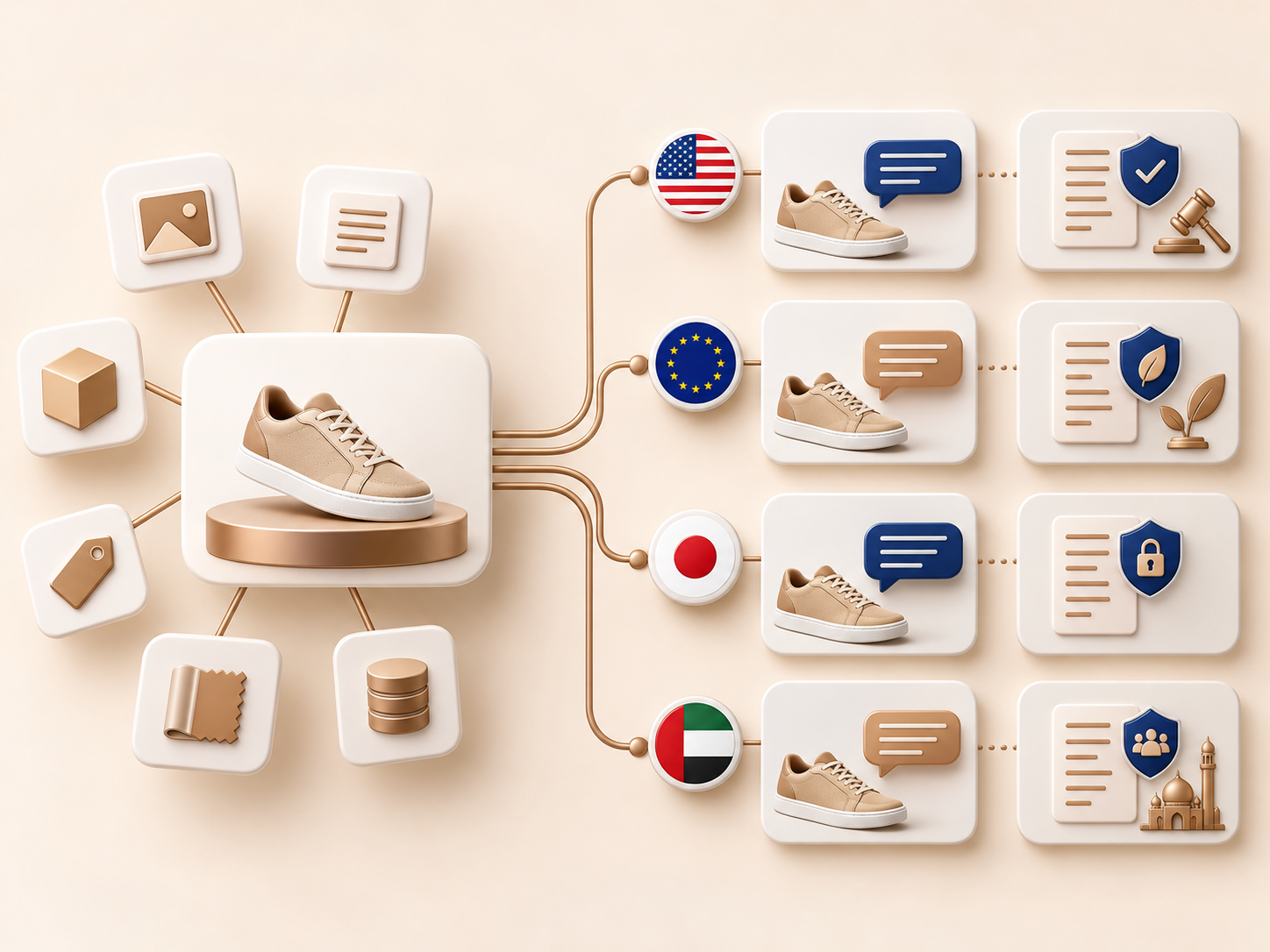
Automatic language detection removes friction, but consistent service needs more than translation. Prices, delivery regions, legal wording and available services may differ by market, so the assistant must know which facts apply to which visitor.
What to check before you decide
priority languages based on traffic and revenue
market-specific facts versus shared facts
brand tone, terminology and formal address
handoff coverage when staff do not speak the selected language
During a demo, do not only check whether the assistant can talk about priority languages based on traffic and revenue. Ask how that answer is updated, who receives the outcome and what happens when the conversation reaches handoff coverage when staff do not speak the selected language. This shifts the evaluation from a polished demonstration to daily operation.
A practical example
A Hungarian webshop selling abroad can share product facts across languages while keeping delivery times and payment methods market-specific. The assistant should switch language naturally without mixing local policies.
The useful pattern is progressive assistance. The assistant provides value first, then asks only for information needed for the next step. This can produce a shorter conversation, a clearer customer journey and a more useful handoff for the team.
How to get started
Rank languages using analytics and support demand.
Label market-specific source content clearly.
Test native phrasing, code switching and human handoff.
A common mistake is giving the first version too many jobs. When the goal, source and owner are unclear, it becomes difficult to tell whether weak results come from the technology or the process. A narrow, measurable launch produces reliable learning sooner.
What to measure in the first month
Compare answer quality, lead completion and handoff outcomes by language. Lower performance in one language usually points to missing local content, terminology or staff coverage.
Want to see how this works in practice? Try our live Enéh demos: https://eneh.hu/demos.
See it working
Seven industry demo sites, each with a trained Enéh assistant on it — ask them anything.
Browse the demosKeep reading

AI Chatbot for Lead Generation: Questions That Qualify Without Scaring Visitors Away
Build a short, useful lead qualification conversation that earns contact details instead of demanding them too early.

AI Chatbot for Google Ads Landing Pages: Turn Paid Clicks into Conversations
Use a landing-page chatbot to answer campaign-specific questions, qualify paid traffic and reduce wasted ad clicks.

AI Chatbot ROI: A Simple Calculation for Leads, Bookings and Support
Calculate chatbot ROI with a simple model covering saved support time, qualified leads, bookings and assisted revenue.

Customer Service Automation Without Hiring: What to Automate First
Reduce repetitive support work by choosing safe, frequent and measurable conversations for the first automation phase.