
Structure first-contact legal enquiries, explain services and route urgent matters while keeping clear advice boundaries.

Businesses searching for AI chatbot for law firms usually already know the technology exists. The practical question is how to use it without adding risk or unnecessary work. This guide organises the decisions that matter before you buy or launch.
Why this decision matters
A law-firm assistant should help with navigation and intake, not decide a legal matter. It can explain practice areas, office process, required documents and consultation options while stating clearly that case-specific advice comes from a lawyer.
What to check before you decide
matter type and jurisdiction
relevant dates without judging legal deadlines
conflict-check and consultation process
urgent or sensitive cases that require immediate human review
During a demo, do not only check whether the assistant can talk about matter type and jurisdiction. Ask how that answer is updated, who receives the outcome and what happens when the conversation reaches urgent or sensitive cases that require immediate human review. This shifts the evaluation from a polished demonstration to daily operation.
A practical example
The assistant can ask whether the matter concerns employment, property or a company, collect a short factual summary and offer the correct consultation route. It should not predict outcomes or tell the visitor what legal action to take.
The useful pattern is progressive assistance. The assistant provides value first, then asks only for information needed for the next step. This can produce a shorter conversation, a clearer customer journey and a more useful handoff for the team.
How to get started
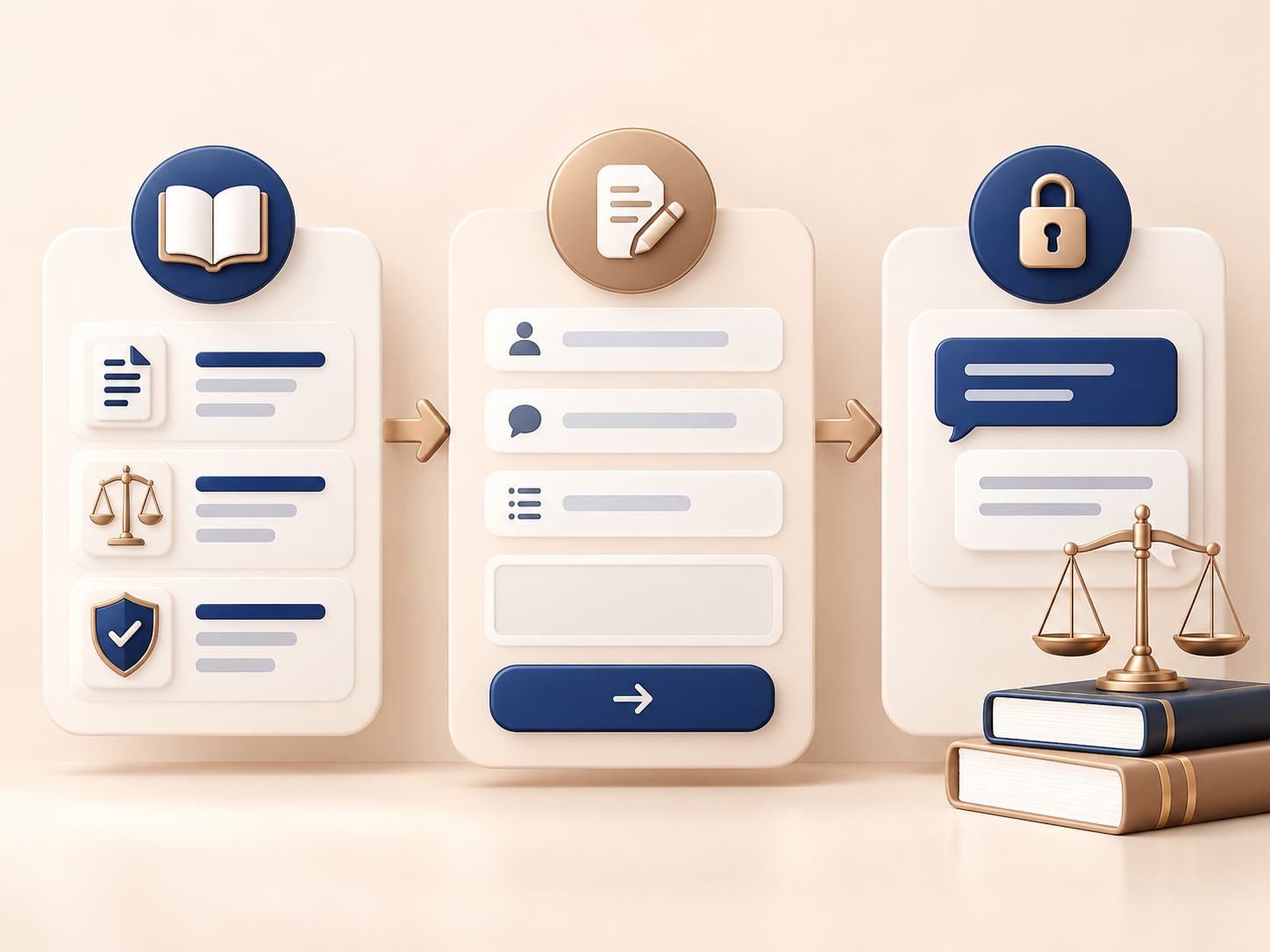
Define service information separately from legal advice.
Approve intake questions and urgent-case triggers.
Route summaries securely to the responsible lawyer or staff member.
A common mistake is giving the first version too many jobs. When the goal, source and owner are unclear, it becomes difficult to tell whether weak results come from the technology or the process. A narrow, measurable launch produces reliable learning sooner.
What to measure in the first month
Measure suitable consultation requests, incomplete enquiries, time to first human review and questions the assistant correctly declines. Review wording with the firm before launch and whenever services change.
Want to see how this works in practice? Try our live Enéh demos: https://eneh.hu/demos.
See it working
Seven industry demo sites, each with a trained Enéh assistant on it — ask them anything.
Browse the demosKeep reading

AI Chatbot for Hotels: Answer Guest Questions and Increase Direct Bookings
Help hotel guests compare rooms, understand policies and reach direct booking at any hour with a multilingual AI assistant.

AI Chatbot for B2B Websites: Qualify Complex Leads Before the Sales Call
Use an AI assistant to explain complex offers, capture buying context and prepare higher-quality B2B sales conversations.

Nonprofits and foundations: stories that end in a donation, not a dead end
A nonprofit’s website is full of stories, but rarely tells a moved visitor what to do next. Enéh’s nonprofit mode tells your campaign storie...

Car repair shops: “This light came on — what is it?” Image analysis in the chat
Drivers rarely know what a part is called, but they can always take a photo of it. With image analysis, your garage’s AI assistant recognise...